Did you know that better financial habits don’t necessarily require major lifestyle changes, expert-level knowledge, or “extra” money you don’t have? In reality, small, everyday decisions often have the biggest impact on your financial health. And the right digital tools can make those decisions easier without adding complexity or stress.
From simplifying money management to building confidence through education, Chelsea Groton’s digital banking tools are designed to meet people where they are. Here’s how a few often‑overlooked tools can quietly support smarter financial choices right now.
Myth: “I Can Always Save Later.”
Truth: Small steps today matter more than big plans tomorrow.
Saving money doesn’t have to mean cutting out everything you enjoy or waiting until life slows down. In fact, awareness is often the first step toward saving, and that starts with seeing the full picture.
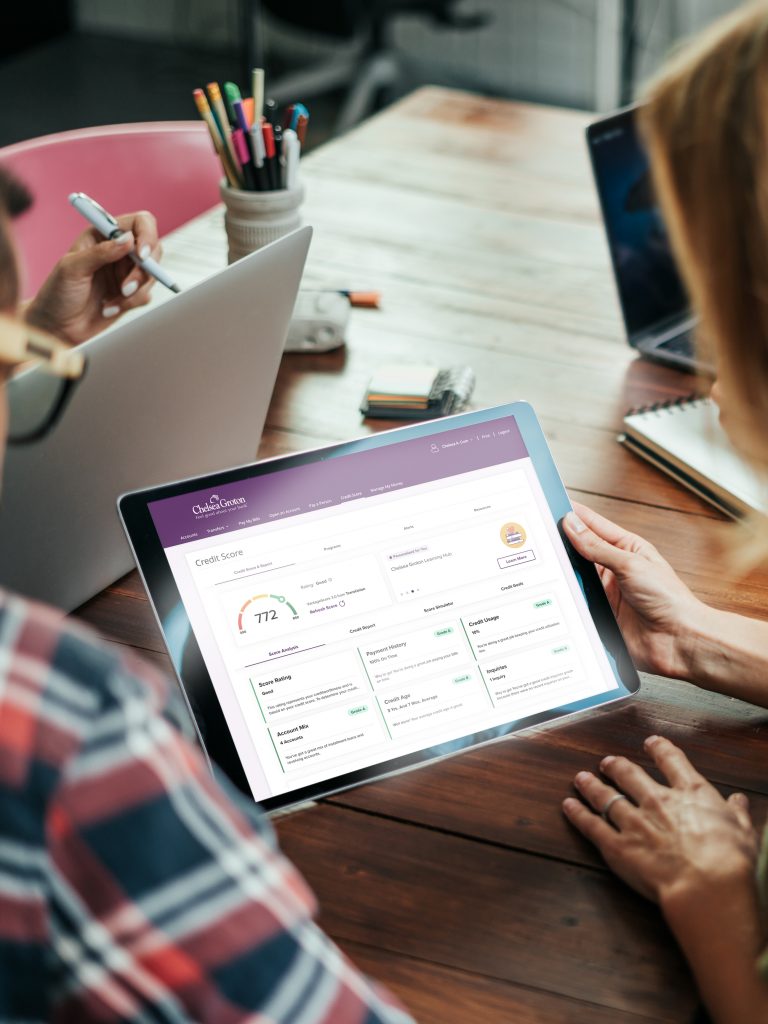
Tools like Manage My Money allow you to view all of your financial accounts in one place, including accounts held outside of Chelsea Groton. This consolidated view helps reveal where money is going, often uncovering small opportunities to save that don’t require dramatic changes. When you can see patterns clearly, saving becomes less about sacrifice and more about intention.
Spending controls also play a powerful role in saving now instead of later. With Smart Card, you can manage your debit card settings in real time by setting spending limits, customizing alerts, and restricting where purchases can be made. Together, these features help you stay mindful of your spending as it happens, supporting better choices with minimal effort and reinforcing positive financial habits naturally.
Takeaway: Saving doesn’t have to start big. When you have visibility and control, better financial decisions happen organically.
Myth: “Personal Finance Is Too Complicated for Regular People.”
Truth: Digital tools are designed to help do the heavy lifting.
Financial terminology, multiple accounts, and unfamiliar systems can make money management feel overwhelming. But modern digital tools are designed to simplify, not complicate, the process.
The Credit Score tool, found within Chelsea Groton’s online and mobile banking platform, brings credit information directly into digital banking, eliminating the need to search for third‑party sites or interpret confusing reports. You can view your credit standing in a straightforward, accessible way, and even receive guidance on actionable steps to take toward improving a score, making credit education feel manageable rather than intimidating.
Once again, Manage My Money plays a key role by pulling financial information into one organized dashboard. Instead of juggling spreadsheets or multiple logins, you can review your financial picture at a glance.
Security and spending management are also simplified with Smart Card, which allows you to turn your debit card on or off, set alerts, and control how and where cards are used. These features make financial oversight feel practical and empowering, not overwhelming.
Takeaway: You don’t need to be financial experts. The right tools simplify decisions, reduce guesswork, and will help you move forward with confidence.
Myth: “Financial Education Is Only for People With Extra Time or Money.”
Truth: Learning is built into everyday banking.
Financial education shouldn’t feel like homework or require extra cost. That’s why education works best when it’s built into tools you are already using.
Chelsea Groton’s Learning Hub, which includes the Chelsea University Online Learning channel, offers articles, videos, classes, calculators, and interactive resources designed for real life. Explore topics at your own pace, based on personal goals and life stages, without appointments, fees, or pressure.
When paired with practical tools like Credit Score, education becomes actionable. Learn about credit and immediately apply that knowledge within your own accounts, reinforcing understanding through real‑world context rather than theory alone.
Takeaway: Financial education doesn’t require extra time or extra money. It’s most effective when it’s accessible, flexible, and integrated into daily banking.
The Bigger Picture
Digital banking tools aren’t just about managing money, they’re about building confidence, clarity, and momentum. When you see finances clearly, control spending in real time, and learn at your own pace, better habits follow naturally.