Most people know not to hand their debit card to a stranger or share a banking password online. But what if someone claiming to be from your bank, the FBI, or a trusted company told you your money was in danger and needed to be moved immediately? That’s exactly how a cash bag scam works.
Recent reports show scammers posing as bank representatives, government agencies, and law enforcement officials to pressure victims into moving money. This growing scam targets consumers by creating fear, urgency, and confusion. Victims are convinced to withdraw large amounts of cash from their own accounts and hand it over to criminals, often believing they are protecting their savings.
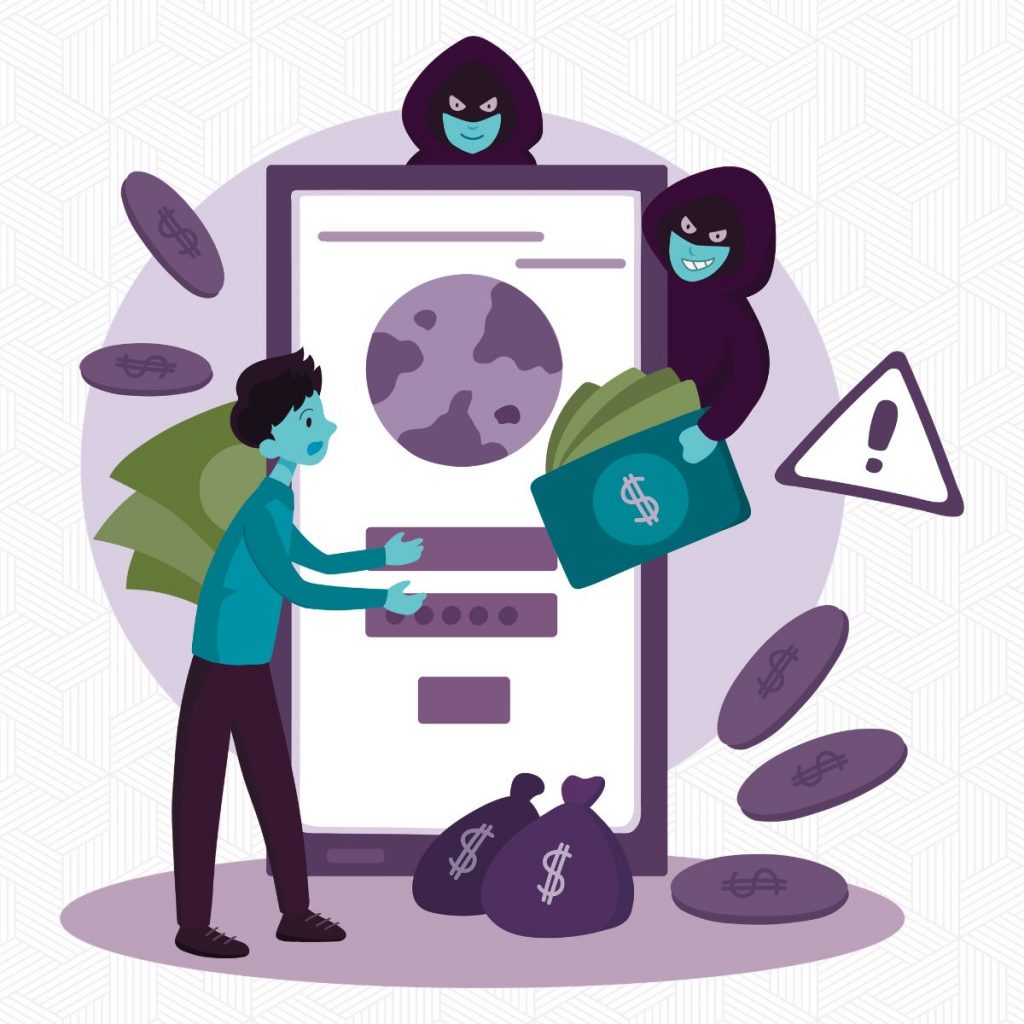
The scammer may claim:
- Your accounts have been compromised.
- Criminals have access to your money.
- Your identity has been linked to illegal activity.
- Law enforcement is investigating your accounts.
- Immediate action is required to protect your funds.
The victim is then instructed to withdraw cash from their bank. The scammer may tell them not to discuss the transaction with bank employees or family members and may even coach them on what to say if questioned. In some cases, victims are told to hand cash to a courier, mail it, or deposit it into a cryptocurrency ATM. If a victim cannot drive, scammers may even arrange and pay for rideshares, such as Uber, to take them to withdraw or deliver funds.
Why These Scams Are So Effective
Cash bag scams are successful because they rely on emotion rather than technology. Scammers create a sense of panic and urgency, making it difficult for victims to stop and think critically. The scammer may sound professional, provide fake badge numbers, spoof legitimate phone numbers, or use information gathered from previous data breaches to appear credible. Many victims are intelligent, cautious people who simply find themselves caught in a stressful situation that feels real.
Real-World Warning Signs
Watch for these red flags:
- Someone says your money is no longer safe in the bank.
- You’re pressured to act immediately.
- You’re told to keep the situation secret.
- You’re instructed not to trust bank employees or family members.
- Someone claiming to be the FBI, IRS, FTC, or another agency asks you to move money.
- You’re asked to withdraw cash, purchase gift cards, wire money, or use a cryptocurrency ATM.
How to Protect Yourself
If you receive an unexpected call, text, or email about your finances:
- Pause before taking action.
- Hang up and contact the organization directly using a trusted phone number.
- Talk to a family member or trusted advisor.
- Be honest with bank employees if you’re making a large withdrawal. Their questions are often designed to help protect you.
- Remember that legitimate organizations will never ask you to withdraw cash to “secure” your money.
If you believe you’ve been targeted by a scam, contact your financial institution immediately and report the incident to local law enforcement and the FBI’s Internet Crime Complaint Center (IC3). Prompt reporting can help protect your accounts and may help prevent others from becoming victims.